




That's a Wrap!
2026 Conference Highlights
Tickets are already on sale for our 2027 event - get your Super Early Bird tickets now!

Event Overview ✨
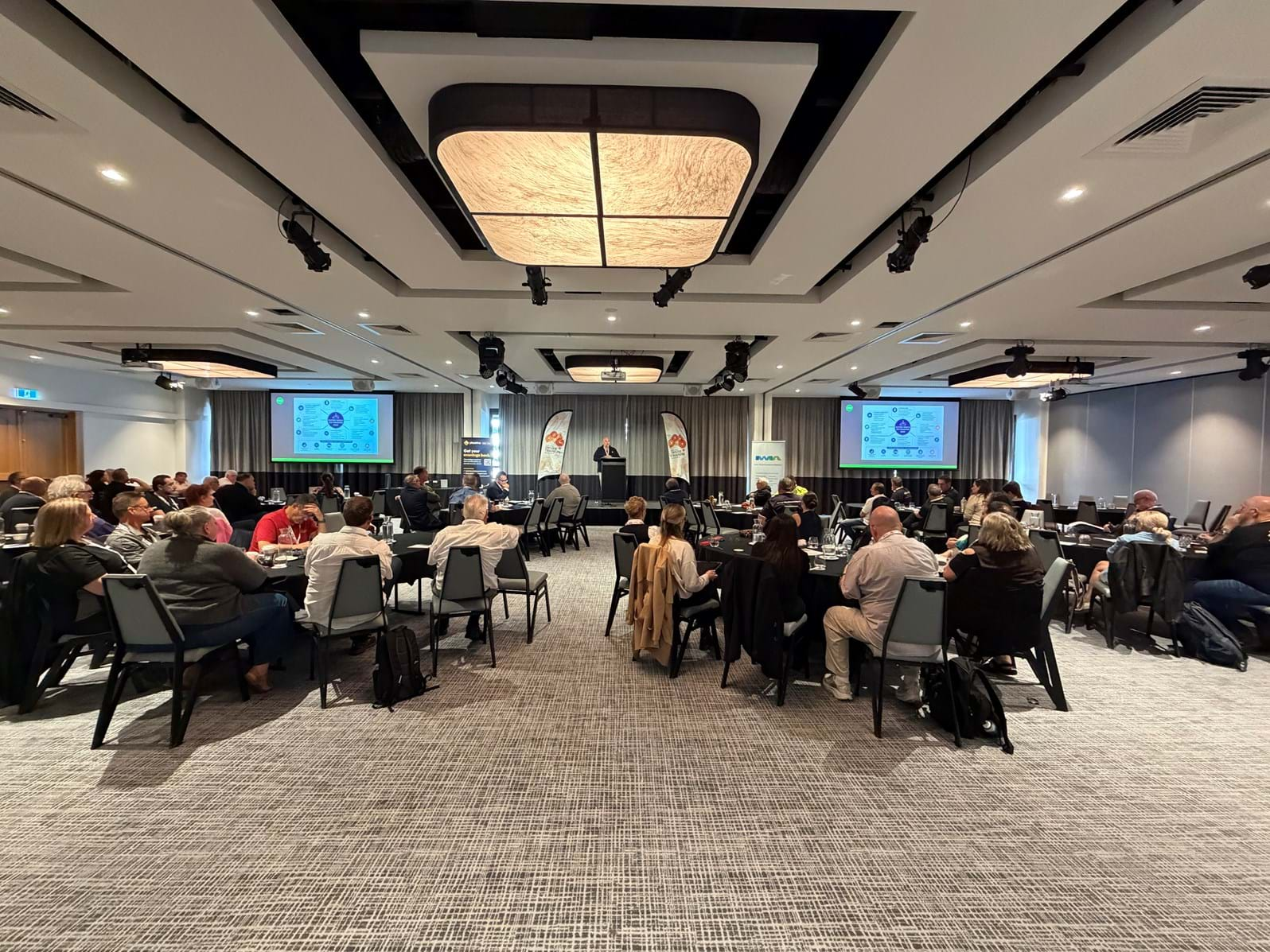
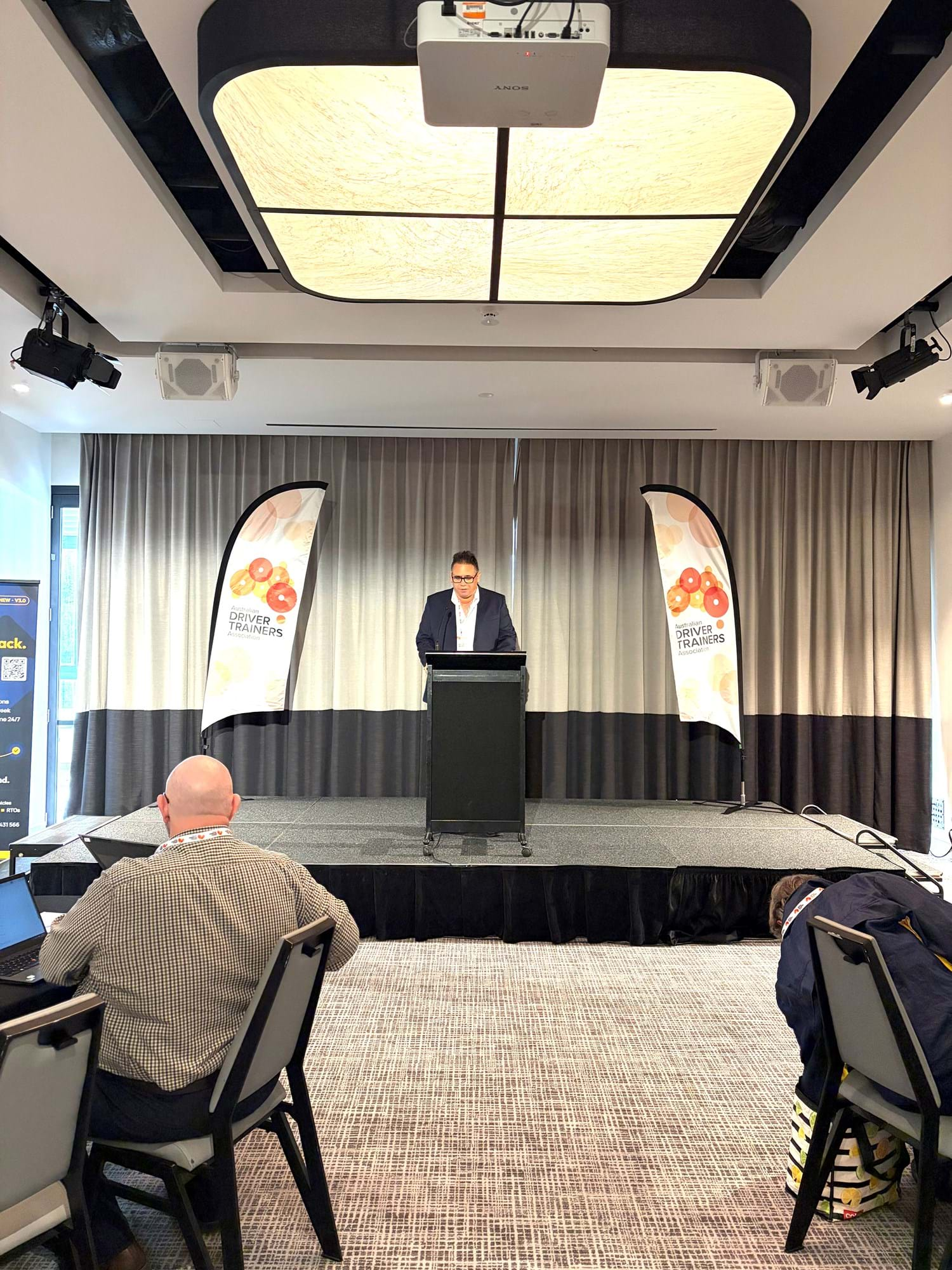
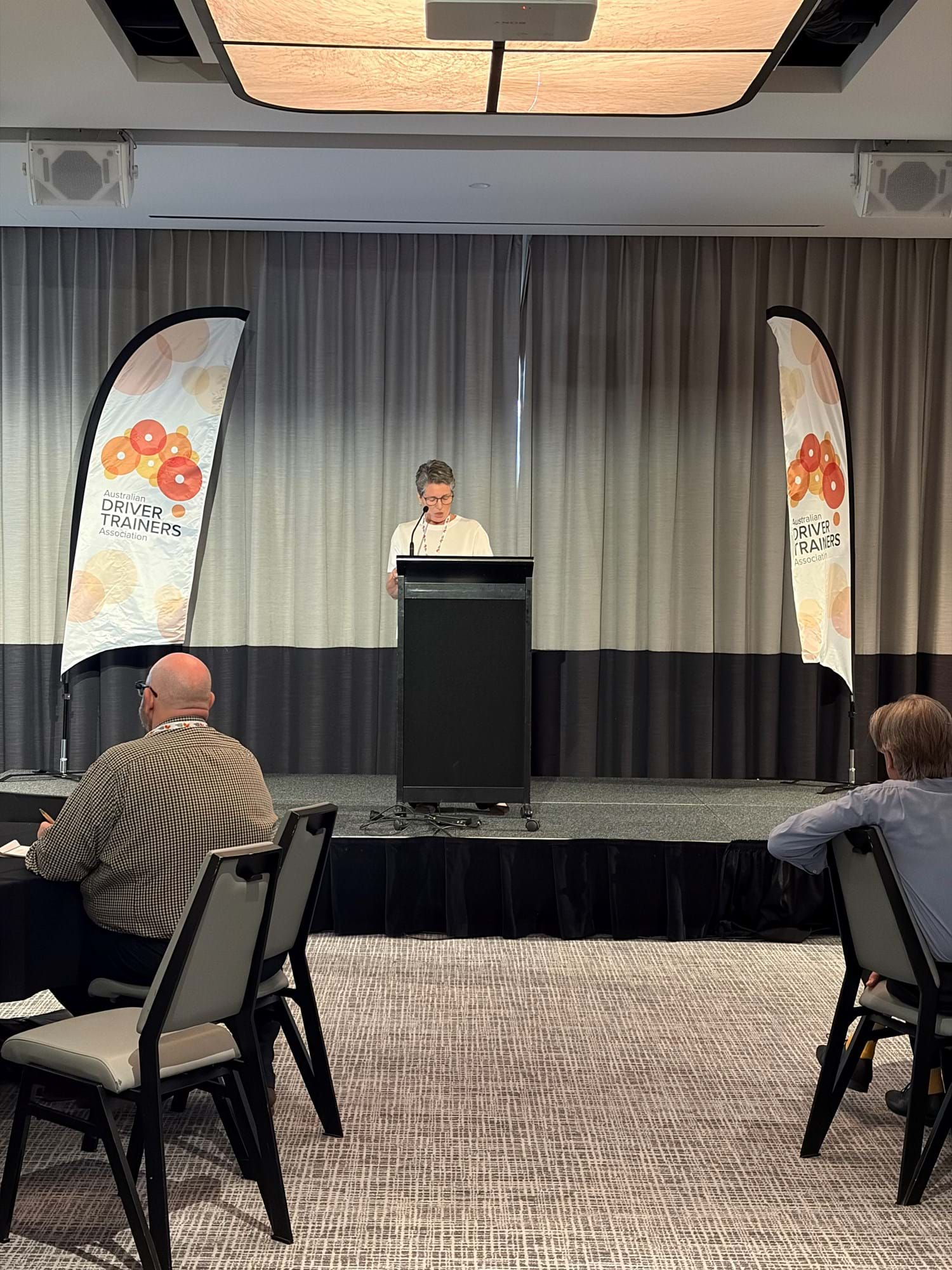
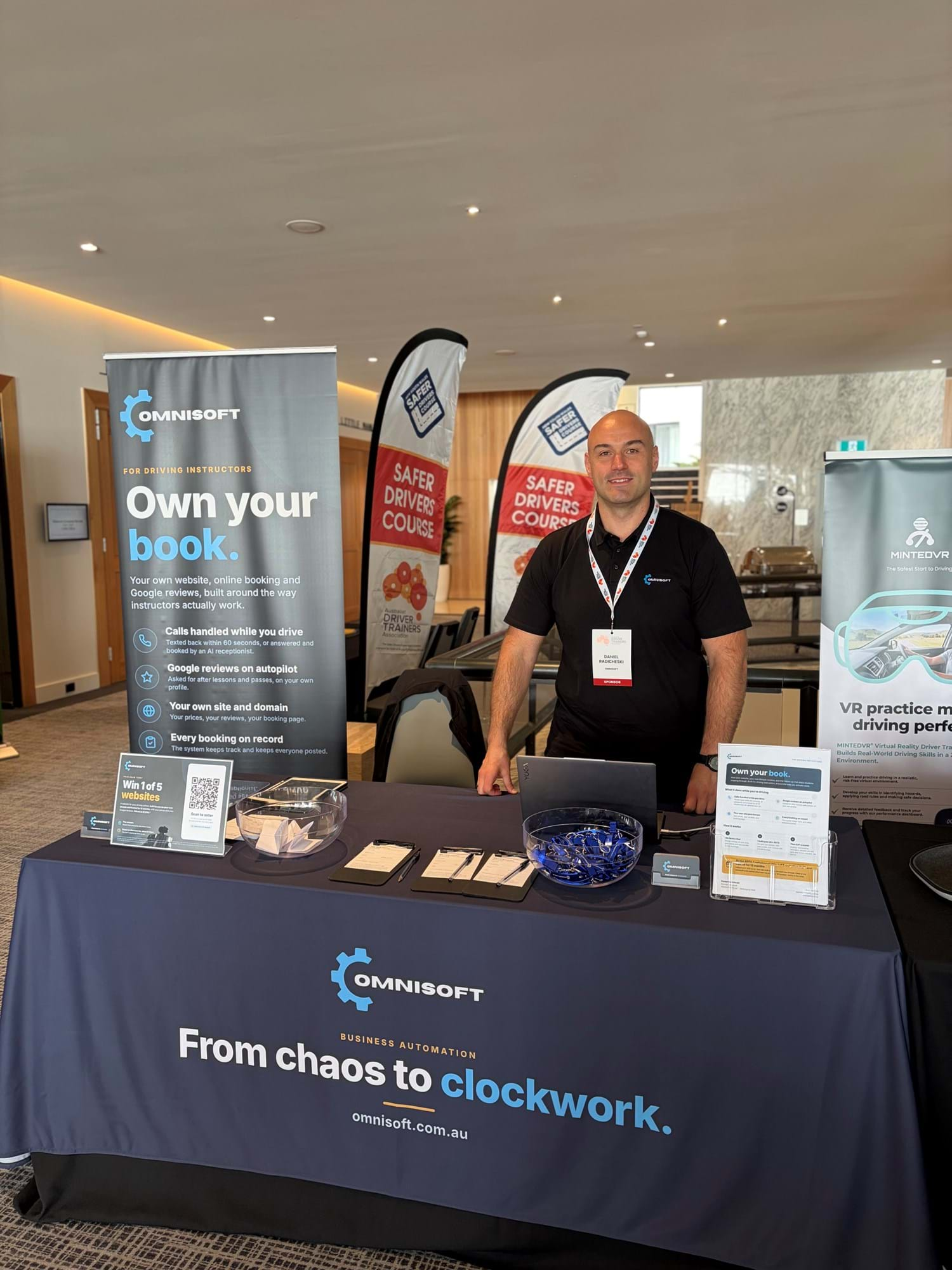
On Friday 16 October 2026, we hosted our annual Conference at the stunning Elysium Hotel Manly on the Northern Beaches in Sydney. The event brought together instructors, industry leaders, and guest speakers for a full day of learning, connection, and forward-thinking discussion.
The program delivered a powerful mix of practical insights, industry updates, and thought-provoking presentations. Attendees engaged deeply with the content, shared experiences, and explored new ideas to strengthen their professional practice and support safer drivers across Australia. The sense of collaboration and momentum in the room was undeniable.
To cap off the day, guests enjoyed post-event drinks and canapés at Bistro Manly, where they continued conversations, built new relationships, and celebrated another standout ADTA event with stunning views of Manly Beach. With such strong engagement and enthusiasm, the 2026 conference has truly set a new benchmark - and we’re already excited for what’s to come next year.
2026 Conference Gallery




















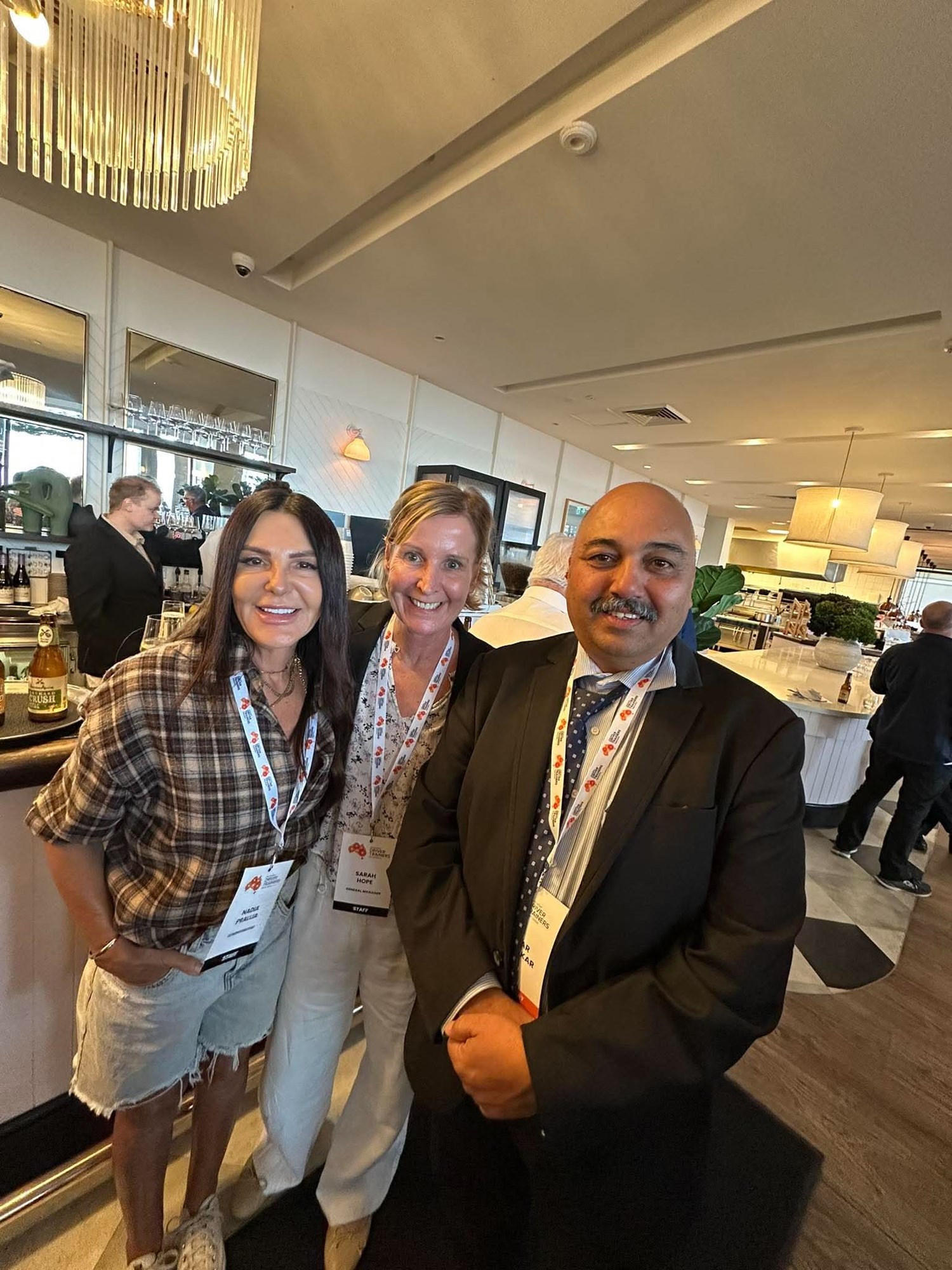





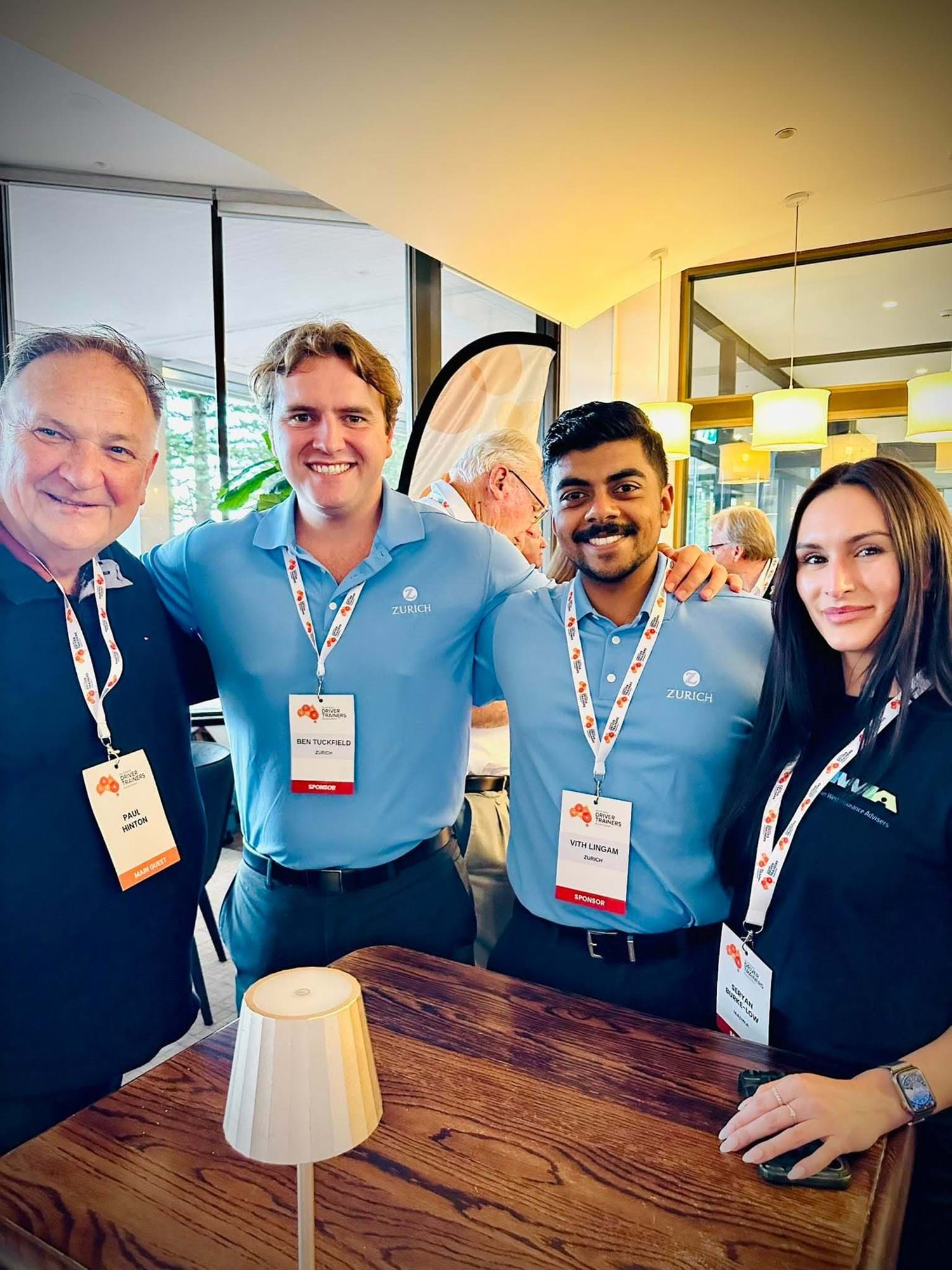

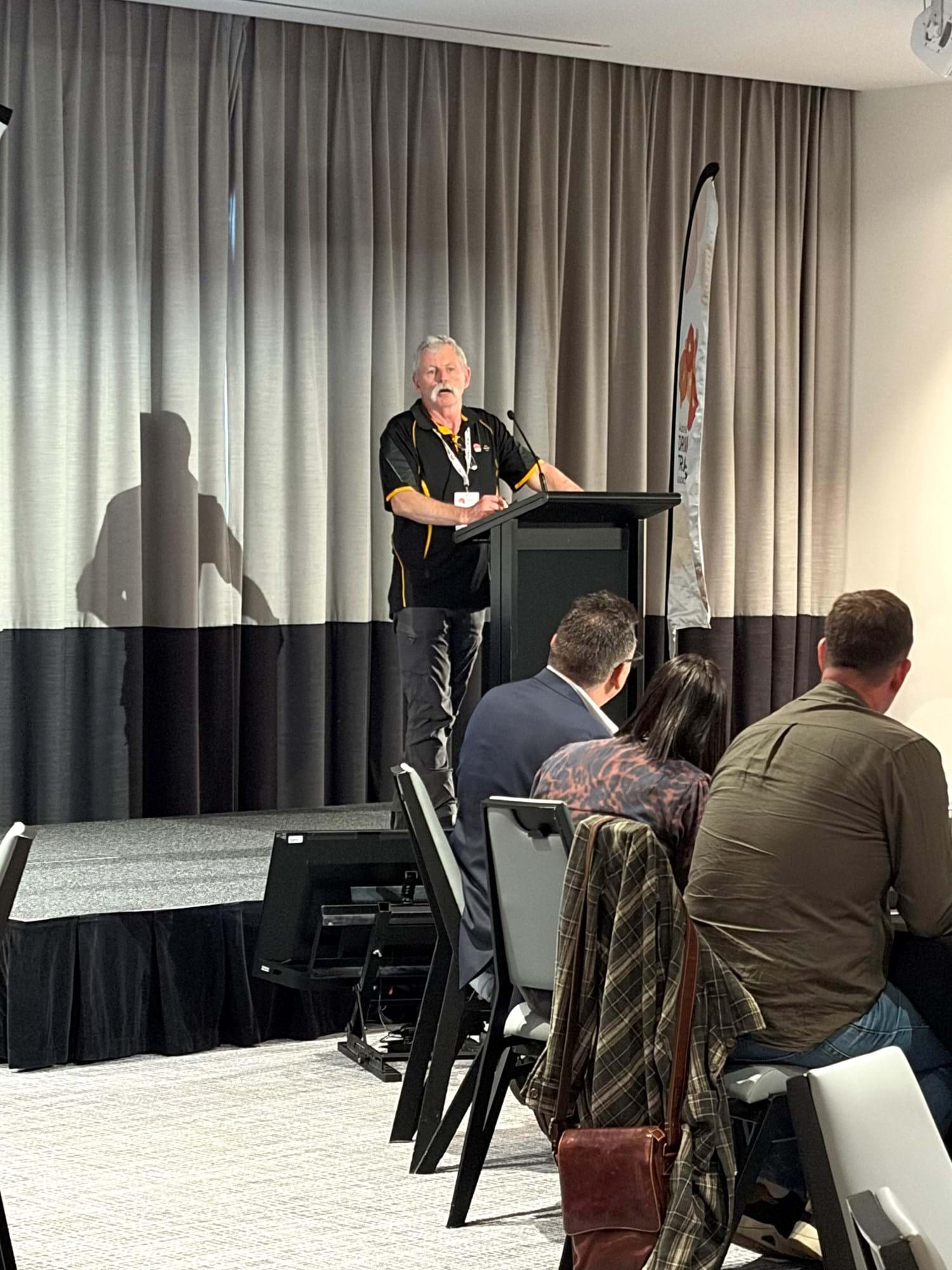
2027 Conference Package Giveaway
Attendees had the chance to win a ticket to our 2027 Annual Conference on the Gold Coast, along with two nights’ accommodation at QT Gold Coast.
Our lucky winner was the wonderful David Mason, a deserving and familiar face to the ADTA team. Dave is one of our valued NSW Safer Drivers Course Facilitators and Coaches, and we’re delighted to see him take home this prize.
Congratulations, Dave! We look forward to having you join us on the Gold Coast in 2027! 🌴

Auction for the Canteen Cause
Another special highlight of the day in support of Canteen was our charity auction — brought to life by our very own auctioneer, Mick Humphries. The bidding quickly energised the room, with everyone on the edge of their seats as the competition heated up to see who would secure the highest bid.
We’re excited to share that Marc came out on top and will be taking part in a F1 Style Race Car Driving Experience. This hands-on experience offers an incredible opportunity to refine vehicle control skills, build confidence in challenging conditions, and gain practical insights that translate directly into safer on-road performance.
We are incredibly grateful for Marc's generosity — enjoy your prize!

Guest Speakers & Presentations

Understanding Mental Health in Young Adults
Simon Dodd
Head of Workforce Planning, National Clinical Adviser
Headspace
Simon’s keynote explored how driving instructors can support young people’s mental health and wellbeing, recognising the positive difference they can make during a lesson and beyond.
headspace provides mental health support for young people aged 12–25 through its centres across Australia, as well as online and phone services. It can be a valuable starting point for information and support if you are concerned about a young person.
Key points covered:
-
Supporting young people during lessons: Driving instructors have a unique opportunity to build trust, offer encouragement and create a supportive learning environment.
-
The stress bucket metaphor: Simon explained how this tool helps us understand the pressures that affect our wellbeing, recognise that everyone’s capacity is different and respond to others with empathy.
-
Brain development and stress: The presentation explored how young people’s developing brains can influence their response to stress, including how intensely they experience it and how long it can linger.
-
Building skills beyond driving: By encouraging independence and helping learners navigate challenges, instructors can support the development of confidence, coping skills and resilience that extend well beyond the driving lesson.
If you'd like to learn more about mental health and wellbeing or to access support go to headspace.org.au.

Adapting driving practices to improve safety through vehicle technology
Peter’s keynote sparked plenty of discussion, with an engaged audience asking questions throughout the presentation.
Exploring the future of vehicle safety and technology, Peter highlighted the opportunities and challenges these developments bring for drivers and driver trainers.
Key points covered:
-
Sustainability and the future of mobility.
-
Risks associated with the transition to electric vehicles.
-
Targeted risk reduction through four simple steps.
-
Advanced Driver Assistance Systems (ADAS) and their role in improving safety.
-
The striking statistic shared by Peter that 60% of drivers switch ADAS off.
-
Manufacturers leading the way in safety technology, including considerations around cost, value and global expansion.

Driving safer outcomes through quality, evidence and
inclusion
Transport for NSW
Our NSW breakout session brought together three representatives from Transport for NSW to share industry updates, program insights and evaluation findings.
Alex Peterson provided an industry overview, while Rod Simpson stepped in at short notice for Glen Duncan to discuss the Aboriginal Driving Instructor Program. Liam Downing rounded out the session with insights and statistics from the NSW Safer Drivers Course evaluation.
Alex Peterson
Manager Assurance Training - Safer outcomes, industry snapshot, assurance, compliance, and initiatives
Key points covered:
-
Driving instructors: 4,495 licensed instructors, with 354 new instructors licensed in FY2026.
-
Learner licences: 145,630 issued in FY2026, according to figures presented as at 31 August.
-
Heavy vehicles: 330 assessors, 14 accredited registered training organisations (RTOs) and 27,638 assessments in FY2026.
-
Motorcycles: Three rider training course providers, 191 rider training instructors and 58,017 participants in FY2026.
-
Misconduct signage: The recently introduced requirement generated plenty of discussion. Alex encouraged instructors to share their feedback with Transport for NSW.
Rod Simpson, Project Officer
Aboriginal driving instructor program
Key points covered:
-
An overview of the program and the support it provides.
-
The value of supervised instruction, with Rod highlighting that participants were twice as likely to succeed with this support.
Liam Downing, Senior Research and Evaluation Specialist
Key outcomes from the Safer Driver Course evaluation
Key points covered:
-
An overview of the course and its components.
-
Positive outcomes identified since the course began.
-
A current network of 20 course providers.
-
39,378 course participants in FY2026.

Regulators overview and update
TMR
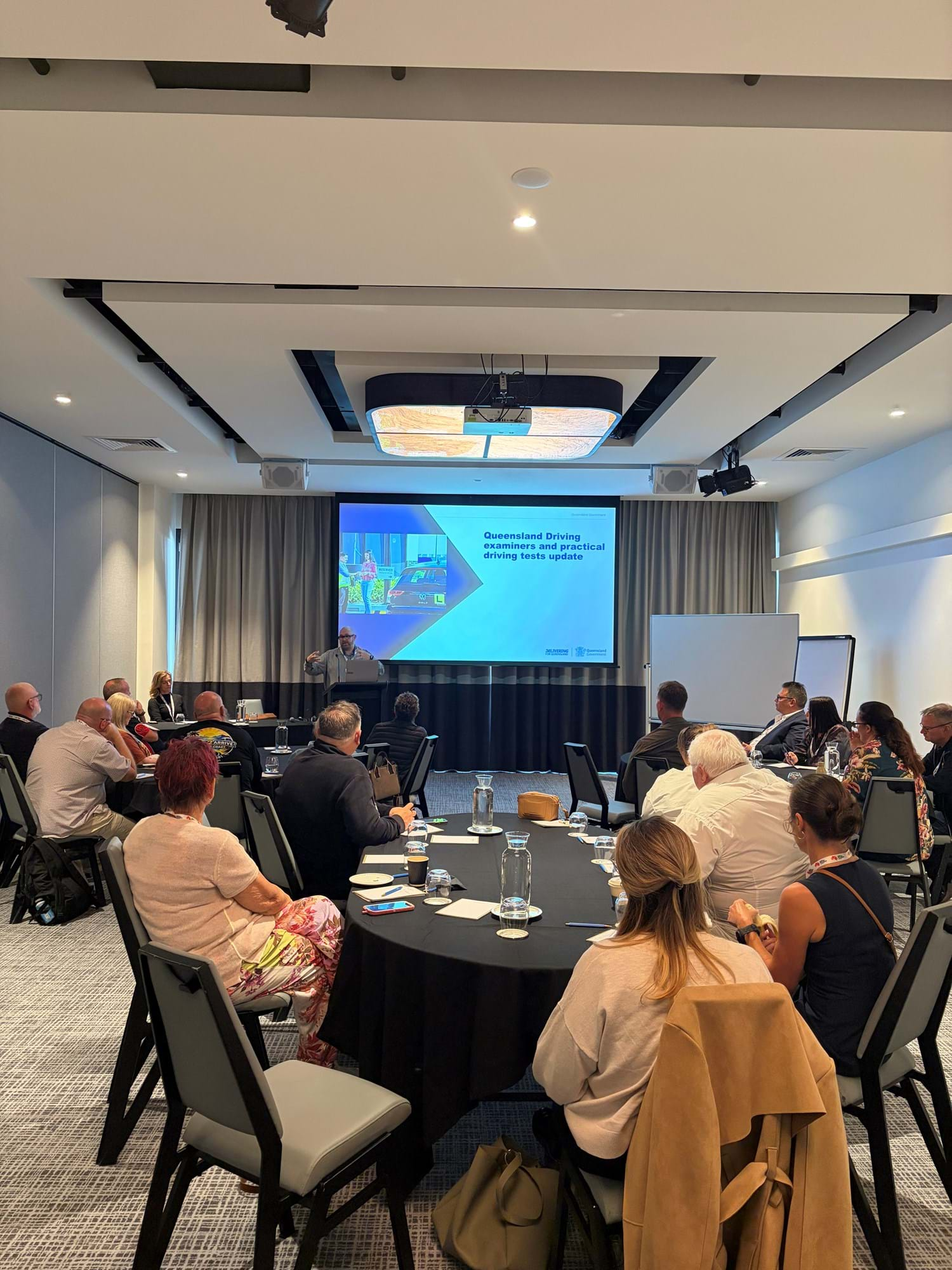
Our Queensland breakout session featured updates on driving examiner recruitment, practical driving tests and the review of regulations affecting driver trainers.
Darren Minehan
Director, Department of Customer Services, Open Data and Small and Family Business
Queensland Driving Examiners and Practical Driving Tests Update
Key points covered:
-
Examiner availability: Statewide recruitment, upskilling and fly-in, fly-out examiners to help meet regional demand.
-
Reported test wait times: 31 days for cars and 19 days for heavy vehicles.
-
Tests not proceeding or being completed: Figures presented included 105 arrivals without a vehicle, 3,836 defective vehicles, 43 unregistered vehicles, 57 tests terminated without a fail, 27 learners without a current learner licence, 5,367 applicants who did not attend and 1,568 cases categorised as other.
-
Pass rates as at August 2026: 64% for cars and 82.7% for heavy vehicles.
Cass Deaves
Director, Accreditation Governance & Evaluation Standards, Policy & Accreditation
Key points covered:
-
An overview of the AOP Regulation and its relevance to driver trainers.
-
The regulation’s scheduled expiry on 1 September 2027 and the review currently underway.
-
TMR’s work with ADTA to ensure driver trainers’ views are considered throughout the review.
-
Key considerations, including flexible accreditation terms and changes to application processes, including blue card requirements.

Medicinal Cannabis, Prescription Medications, Driving Performance and Cognitive Function
Dr Tom Arkell
NHMRC Emerging Leadership Fellow, Monash University
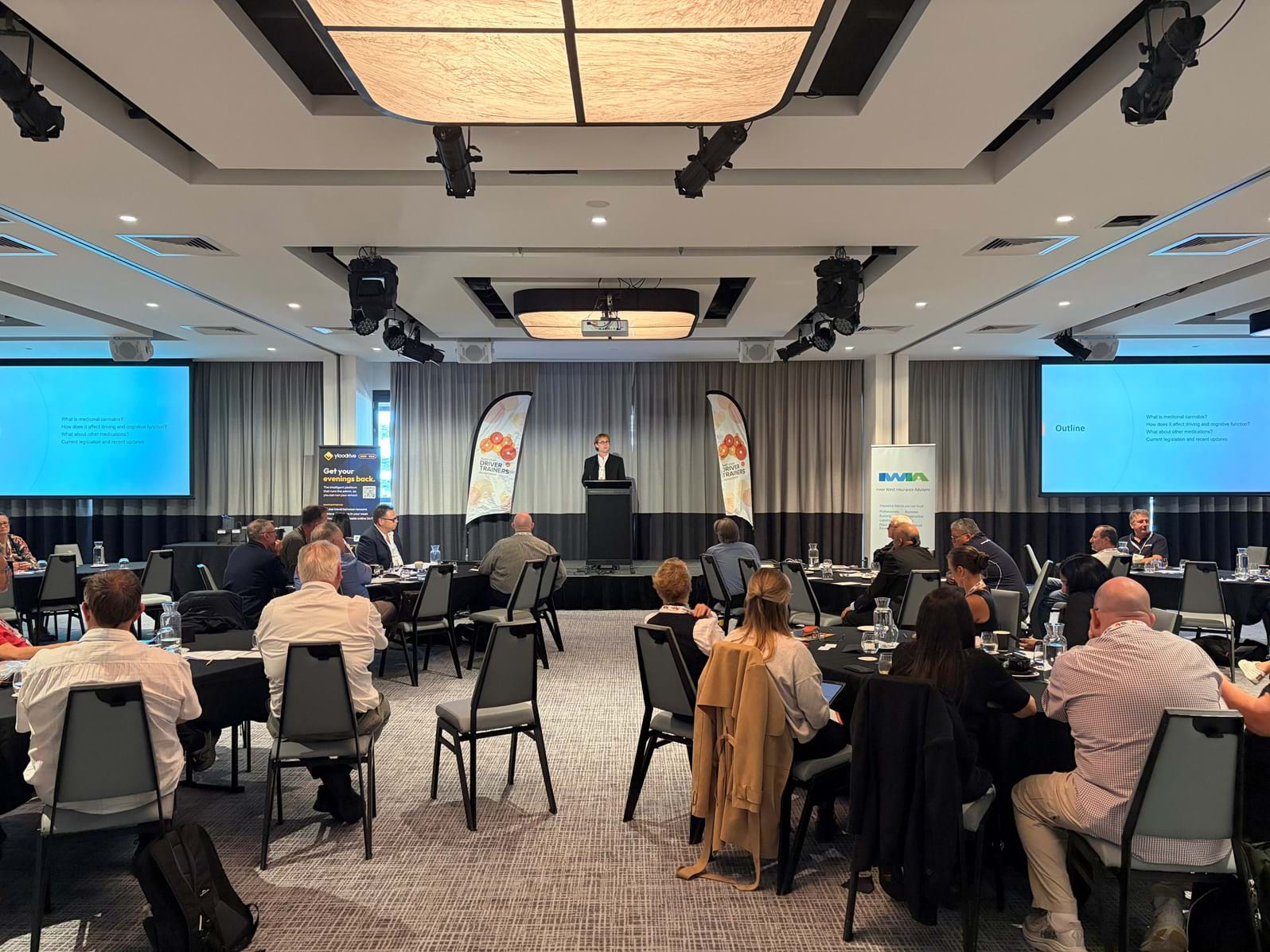
Tom discussed medicinal cannabis, how it affects driving and cognitive function, other medications as well as current legislation and recent updates.
Key points covered:
-
Understanding medicinal cannabis: Quality-controlled medicines derived from the cannabis plant, including unapproved therapeutic goods that can be prescribed through special access pathways.
-
THC and driving performance: Research presented highlighted potential effects including increased lane weaving, slower reaction times and impaired attention. Drivers may also reduce their speed and leave a greater distance to the vehicle ahead.
-
Detection and impairment: Cannabis can remain detectable in blood or saliva after its impairing effects have worn off.
-
Medicinal and recreational use: Dr Arkell discussed emerging evidence suggesting driving effects may differ between medically supervised use and recreational use.
-
Legislation across Australia: An overview of the legal position in each state and territory, including recent updates relevant to medicinal cannabis and driving.

Neurodiverse Driver Training
Sue Tyler
Neurodiverse Driver Training
Sue delivered a fascinating presentation on neurodiversity, capturing the room’s attention and highlighting an important area for continued learning within the driver training industry.
Key points covered:
-
Understanding neurodiversity: An introduction to neurodiversity and the terminology used to support greater understanding.
-
Research and participation: Sue shared research indicating that one in three autistic people without intellectual disability are licensed by age 21, while two-thirds of those of driving age drive or plan to drive.
-
ADHD and crash risk: Research presented highlighted a 36% higher crash risk among newly licensed drivers with ADHD compared with their peers without ADHD.
-
Gaps in the evidence: Sue highlighted the limited research on autism-specific driver training, with fewer than 1,000 participants across the published studies discussed.
-
Four key barriers: Cognitive load and executive function; sensory load and emotional regulation; communication and feedback styles; and systemic and structural barriers.
-
Individual training plans: The importance of tailoring lessons to each learner’s needs, strengths and communication preferences.
To find out more or take please head to www.neurodiversedrivertraining.com.au

One Road, One Standard: Professional Driving Instruction for Safer Roads and Better Drivers
Duncan McRae
Policy Lead in Road Safety, Licensing and Vehicle Policy, Transport for NSW
A familiar and respected voice in the driver training industry, Duncan McRae was another conference favourite, sharing valuable insights into professionalism and the role instructors play in creating safer roads and better drivers.
Key points covered:
-
Defining professionalism: What it means to be a professional driving instructor and how this translates into everyday practice.
-
Understanding legislation: The legislative requirements that underpin professional driving instruction.
-
Being a road safety professional: The importance of ongoing professional development, mentoring and self-reflection.
-
A commitment to lifelong learning: Duncan reinforced that instructors should never stop learning, continuing to develop their knowledge and skills throughout their careers.

Drills & Skills Videos
Although Russell White was unable to attend in person this year due to other commitments, he prepared three videos packed with practical drills, skills and insights to share with attendees.
Key points covered in Part One:
-
Turning momentary corrections into lasting thinking habits, helping learners begin to coach themselves.
-
Helping learners engage with the technology in today’s vehicles.
-
Incorporating risk education into everyday lessons.
-
Teaching learners to make better decisions when their instructor is no longer beside them.
Key points covered in Part Two:
-
Practical tips for instructors and learners.
-
Fundamental driving techniques, including balance behind the wheel.
Key points covered in Part Three:
-
The importance of consistent teaching standards.
-
Staying hydrated when driving.
-
Further practical tips to consider during lessons.
Members can watch all three parts here.

AGM Recap
Our Annual General Meeting ran smoothly and was well attended, reflecting the strong engagement of our members. This year, an election was not required as the number of nominations matched the number of vacant positions. It was encouraging to see members willing to contribute their time and expertise to the governance and future direction of the Association.
We are delighted to officially welcome Selena Conway to the Board. Selena brings valuable experience and insight, and we look forward to her contributions as we continue to strengthen and grow the ADTA.
We are also pleased to share that Jacinta Tam has been appointed as a Specialist Board Member for another 12 months. Jacinta has made an incredible impact over the past year, and we’re delighted to have her return for another year.


We finished the day strong with our Post Event Drinks & Canapes at Bistro Manly.
The stunning view of Manly Beach did not disappoint!
We hope you enjoyed the highlights of our 2026 Conference and hope to see you at our next big event!
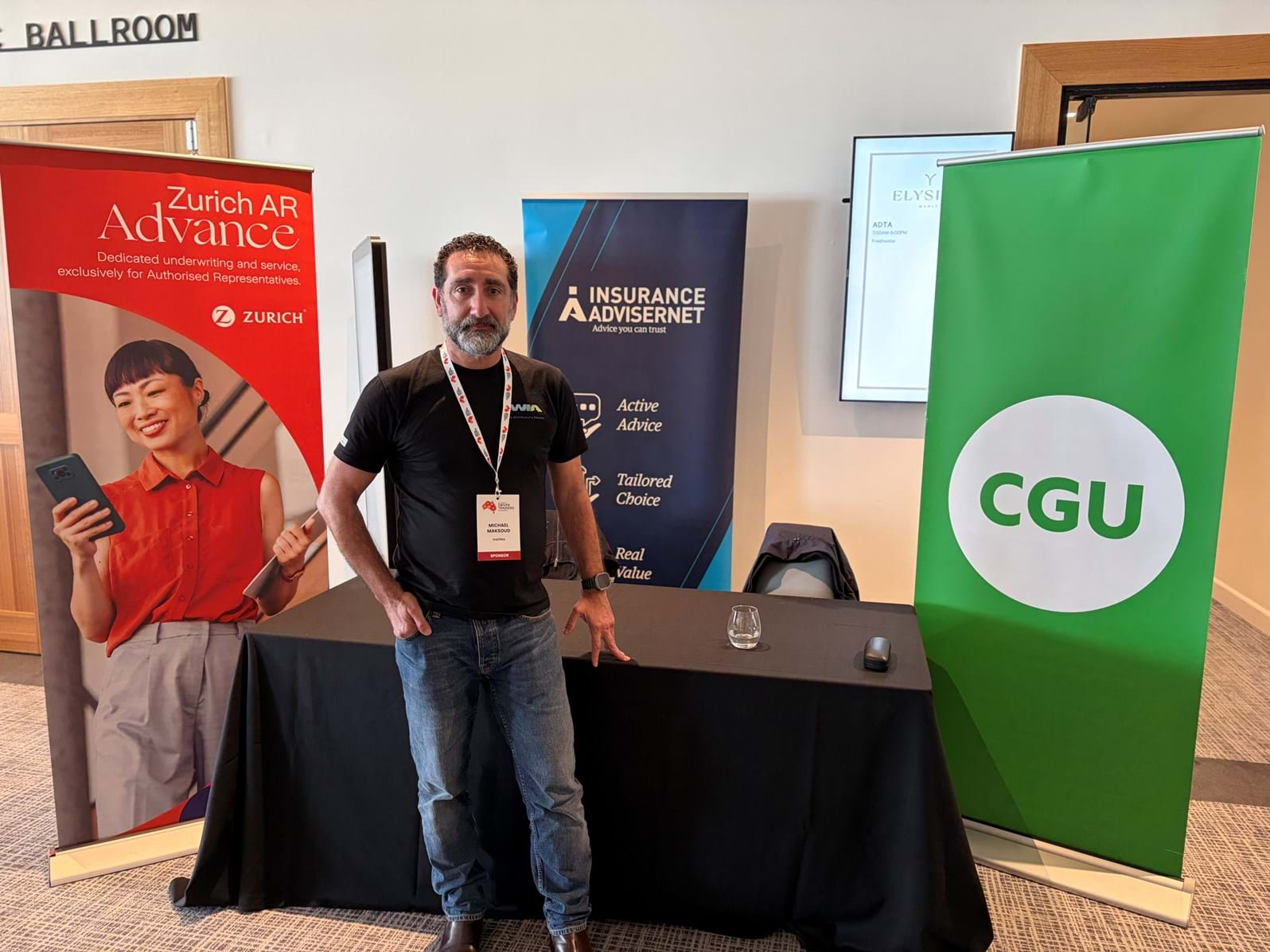
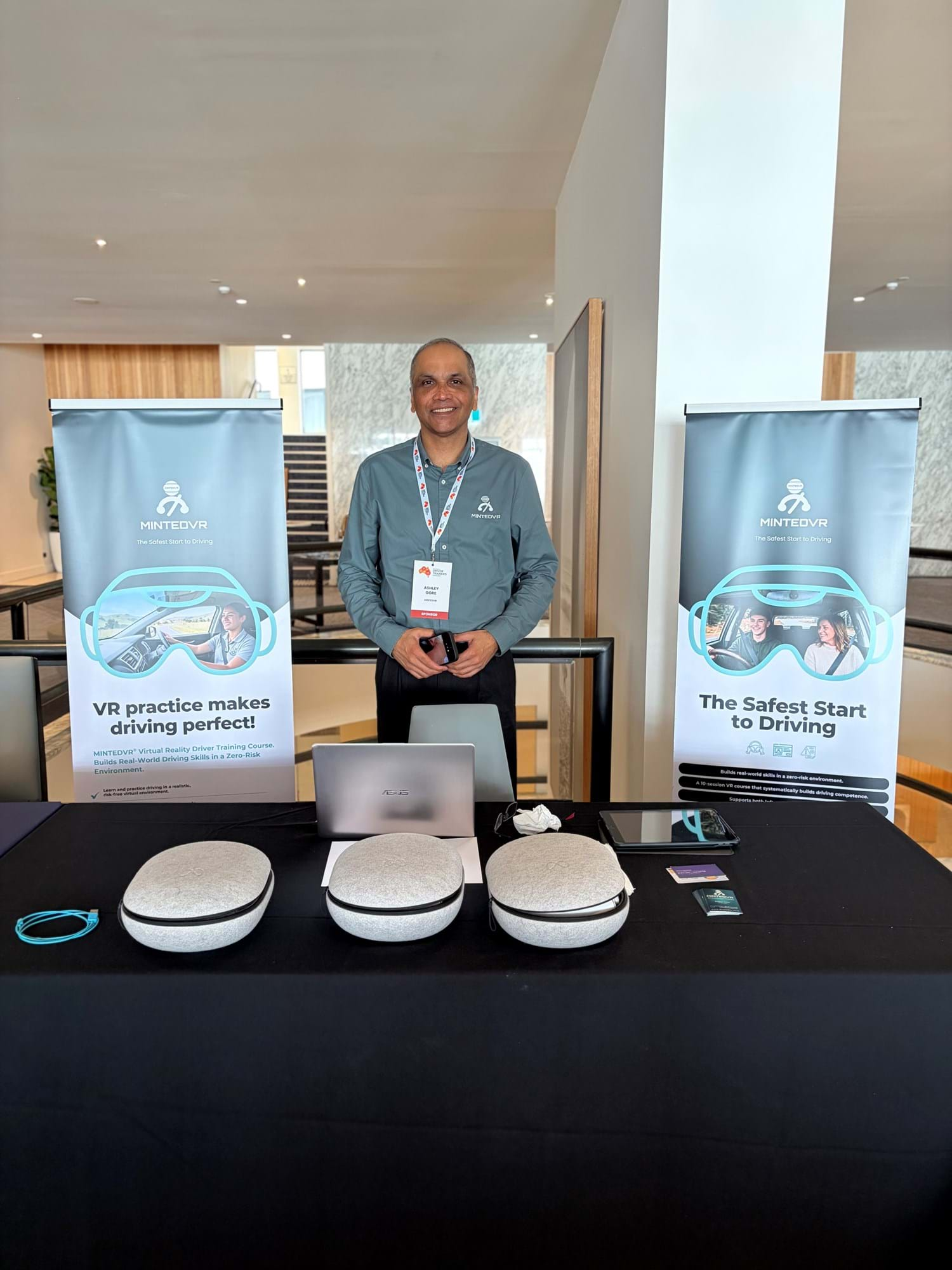
To Our Valued Sponsors
THANK YOU!
The success of our events is largely thanks to our incredible sponsors.
Learn More
